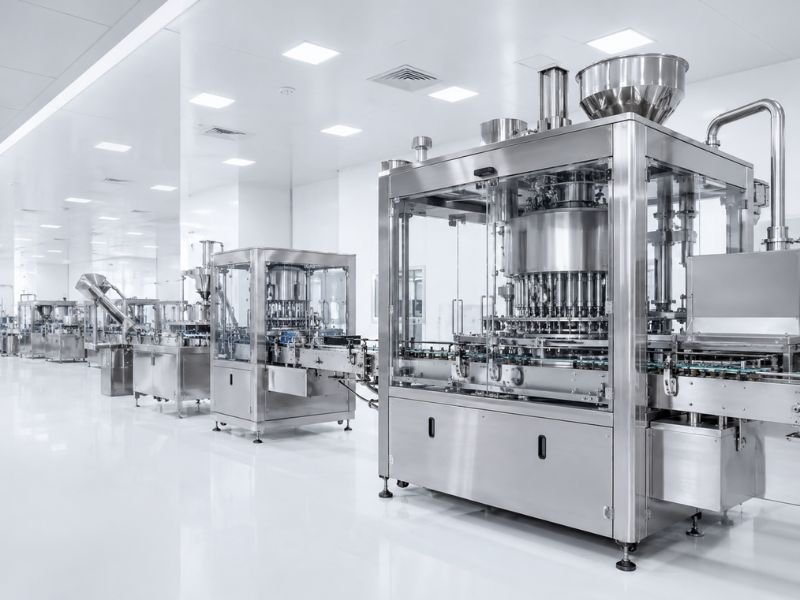
Pharmaceutical Dust Collection System Selection
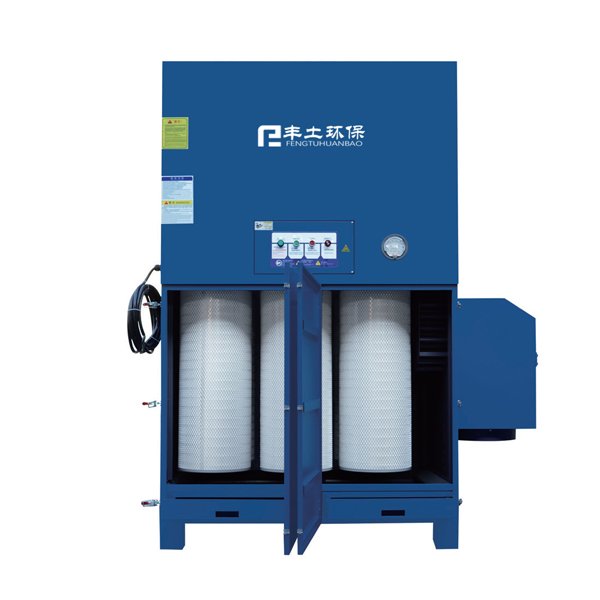
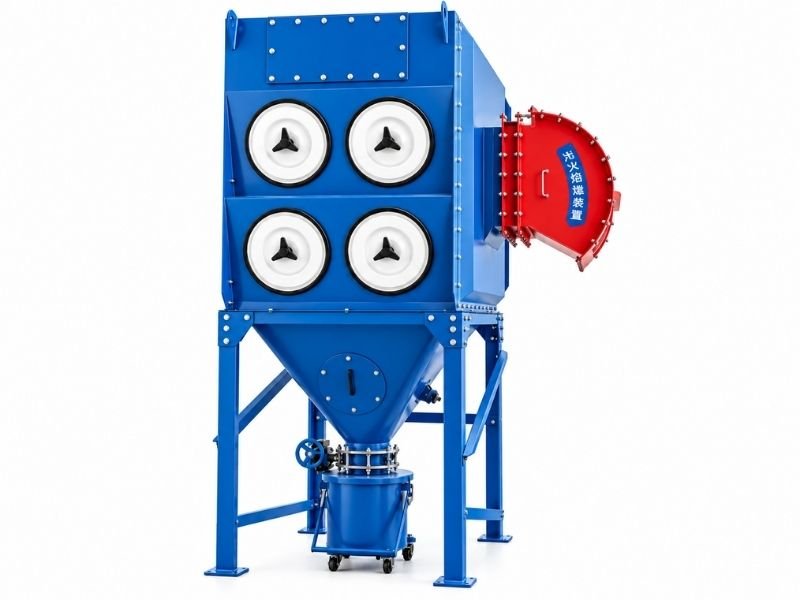
For many pharmaceutical powder handling processes, we usually recommend starting with a cartridge dust collector. It is compact, efficient, and suitable for fine dry powder generated during weighing, feeding, mixing, granulation, tablet pressing, and packaging.
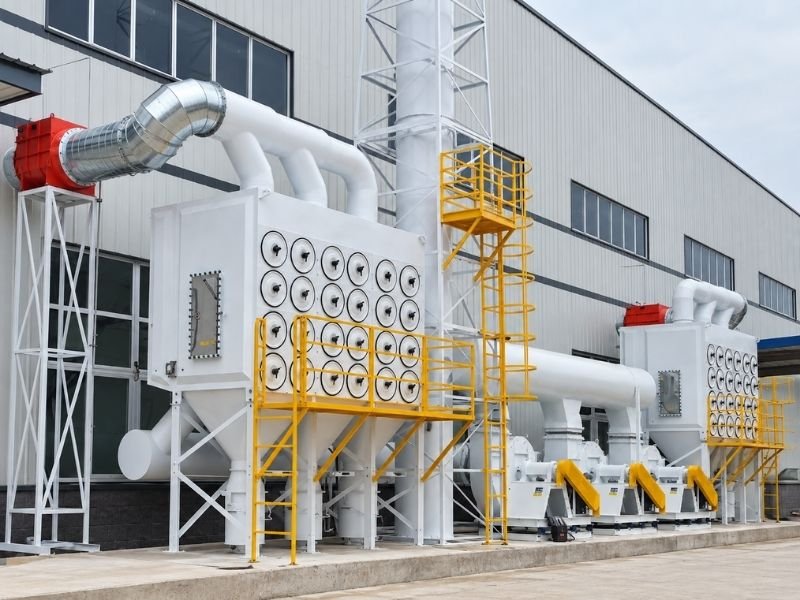
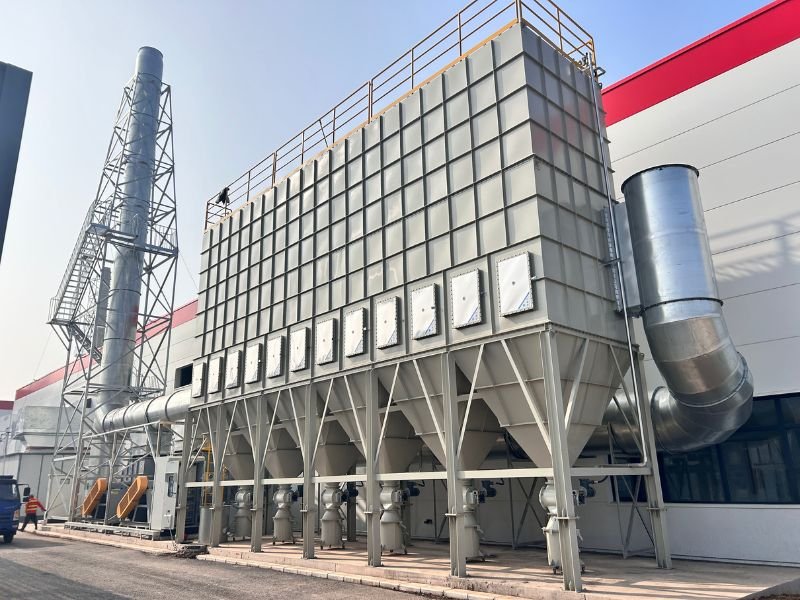
The final system should still be selected according to the dust source, airflow, powder properties, recovery requirements, and safety conditions. For larger airflow or multiple dust points, a central cartridge or baghouse dust collection system may be more suitable. For heavy dust load, a cyclone dust collector can be added as a pre-separator. For small or temporary powder handling points, a portable dust collector may be enough.
Material selection is also important. If the collected powder needs to be recovered or reused, stainless steel dust-contact parts such as SUS304 or SUS316L are usually recommended. If the dust is only waste, carbon steel with surface coating may be considered depending on the working condition.
Quick Selection Guide
Different pharmaceutical powder processes require different dust collection layouts. In our experience, cartridge dust collectors are often the first option for fine dry powder, but the final choice depends on airflow, dust load, recovery needs, and the number of dust generation points.
| Working Condition | Recommended Solution |
|---|
| Weighing, feeding, mixing, granulation, tablet pressing, or packaging | Cartridge dust collector |
| Multiple dust points or larger airflow | Central cartridge or baghouse dust collection system |
| High dust load or larger powder particles | Cyclone dust collector before the main filter |
| Small laboratory or temporary powder handling point | Portable dust collector |
| Powder needs to be recovered or reused | Stainless steel dust-contact parts, such as SUS304 or SUS316L |
| Combustible or static-sensitive powder | Antistatic filter media and safety design should be evaluated |
Common Pharmaceutical Dust Sources
Pharmaceutical dust is usually generated when dry powder is exposed, transferred, mixed, compressed, or packed. These dust points should be captured as close to the source as possible, instead of relying only on general room ventilation.
Common dust sources include:
- Powder weighing and dispensing
- Material feeding and charging
- Mixing and blending
- Granulation
- Tablet pressing
- Capsule filling
- Powder transfer points
- Packaging and bagging
Why We Often Recommend Cartridge Dust Collector
For many pharmaceutical powder applications, we often recommend cartridge dust collectors as the first option. The reason is simple: most pharmaceutical dust is fine, dry, and generated from limited dust points such as feeding, mixing, tablet pressing, or packaging.
Compared with a larger baghouse system, a cartridge dust collector is usually more compact and easier to arrange near the production area. The pleated filter structure provides a larger filtration area in a smaller body, which makes it suitable for fine powder collection when the dust load is not extremely heavy.
A baghouse dust collector is still a good choice for larger airflow, multiple collection points, or continuous high dust load. But for many standard pharmaceutical powder processes, we usually start the selection from a cartridge system first, then adjust the design based on airflow, dust properties, and material requirements.
Key Selection Factors Before Design
Before selecting a pharmaceutical dust collection system, we usually check five key points: powder characteristics, dust source layout, airflow requirement, material requirement, and safety risk.
These details affect whether we recommend a cartridge dust collector, a baghouse system, a cyclone pre-separator, or a portable unit. They also determine the filter media, stainless steel requirement, fan selection, and safety configuration.
- Powder type, particle size, and dust condition
- Number of dust generation points
- Hood size or equipment connection size
- Required airflow, if available
- Whether the collected powder needs to be recovered or reused
- Required material: carbon steel, SUS304, or SUS316L
- Combustible dust, static, or explosion risk
- Voltage, frequency, and installation space
For a more detailed selection checklist, see our guide on how to choose a pharmaceutical dust collector.
Material Selection for Pharmaceutical Powder Recovery
Material selection is an important part of pharmaceutical dust collector design. In our experience, the first question is whether the collected powder is waste dust or needs to be recovered and reused.
If the powder needs to be recovered, we usually recommend stainless steel for the dust-contact parts, such as SUS304 or SUS316L. This is more suitable for pharmaceutical powder recovery, product cleanliness, and easier cleaning. If the dust is only waste and does not require recovery, carbon steel with surface coating can also be considered, depending on the working environment and customer requirements.
For many projects, a practical solution is to use stainless steel for the internal dust-contact parts and use coated carbon steel for the external structure. This can balance hygiene requirements, durability, and equipment cost.
Explosion and Static Risk Must Be Checked
Some pharmaceutical powders may create combustible dust or static-sensitive dust risks, especially when fine dry powder is collected inside an enclosed dust collector. Before final design, the powder explosibility, minimum ignition energy, moisture content, dust concentration, and local safety requirements should be checked.
When combustible dust risk exists, the dust collector may need explosion vent panels, antistatic filter media, grounding, explosion-proof electrical components, and explosion isolation on connected ducts. If the dust collector is installed indoors, flameless explosion venting or ducted venting to a safe outdoor area may need to be considered. For duct-connected systems, an explosion isolation valve can help reduce the risk of flame or pressure propagation back through the ductwork.
These safety configurations should not be selected only by appearance or collector size. They should be evaluated together with the powder data, dust collector location, duct layout, and applicable local standards.
Request a Pharmaceutical Dust Collection Solution
If you need a dust collection system for pharmaceutical powder handling, send us your process information and basic working conditions. We can help you make an initial selection based on the powder type, dust source, airflow requirement, material requirement, and safety conditions.