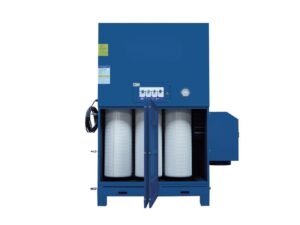
Industrial dust collector cost depends mainly on airflow, dust type, collector type, filtration requirements, system configuration, and project requirements. A reliable quotation cannot be based only on the equipment name because the same dust collector type can be configured very differently for different factories.
For example, a large baghouse system for cement dust, a cartridge collector for welding fumes, cyclone pre-separation equipment for coarse particles, and a portable dust collector for local dust capture all have different cost drivers. The best way to estimate the cost is to first confirm the dust source, required airflow, dust concentration, temperature, number of collection points, site layout, and required system components.
This guide explains the main factors that affect industrial dust collector cost and what information buyers should prepare before requesting a quotation from Novazure.
Quick Answer: What Affects Industrial Dust Collector Cost?
In most factory projects, the main cost factors are:
| Cost Factor | Why It Matters |
|---|---|
| Airflow requirement | Higher airflow usually requires a larger collector, larger fan, more filter area, and larger ductwork. |
| Dust type and dust load | Fine, abrasive, sticky, hot, moist, or high-volume dust may require different filters, cleaning methods, or pre-treatment. |
| Collector type | Baghouse, cartridge, cyclone, and portable systems are used for different working conditions. |
| Filtration requirement | Emission targets, filter media, filter area, and cleaning method affect equipment design. |
| System configuration | Fan, ductwork, hopper, rotary valve, control cabinet, platform, and discharge method can change the total system cost. |
| Site and project requirements | Installation space, outdoor use, material thickness, safety options, packing, destination country, and project documentation may affect the final quotation. |
A lower initial dust collector price is not always a better choice. If the collector is undersized, has insufficient filter area, or does not match the dust properties, the buyer may face poor capture performance, high pressure drop, frequent filter replacement, or production downtime.
Why Industrial Dust Collector Cost Varies by Project
Industrial dust collectors are usually selected according to working conditions, not only by catalog size. Two factories may both ask for an industrial dust collection system, but the required configuration can be completely different.
One project may need a central system for several dust points. Another may need a compact cartridge collector near one machine. A cement plant may need heavy-duty filtration and continuous dust discharge, while a welding workshop may need fine fume capture from several workstations.
This is why Novazure reviews the following before recommending a system:
- Dust source and process
- Required airflow or number of collection points
- Dust type, particle size, and dust concentration
- Temperature, moisture, oil mist, sparks, or corrosive gas
- Operating hours and maintenance expectations
- Duct layout and installation space
- Discharge method and collected dust handling
- Safety requirements and destination country
If some information is not confirmed yet, the buyer can still send basic process details for an initial review. Exact airflow, safety configuration, installation details, and special compliance requirements can be checked step by step during quotation and final design review.
Collector Type: Baghouse, Cartridge, Cyclone, or Portable
Collector type is one of the first cost factors to check. The right choice depends on dust load, particle size, airflow, temperature, space, and operating method.
| Collector Type | Common Cost Drivers | Typical Fit |
|---|---|---|
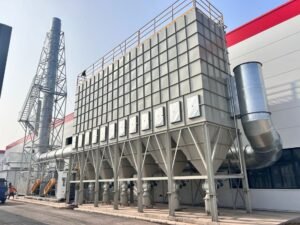
| Baghouse dust collector | Larger housing, filter bags, cages, pulse cleaning system, hopper, discharge device, fan, ductwork, and possible platform access. | Large airflow, heavy dust load, high dust concentration, continuous operation, cement, bulk powder, mineral dust, and some high-temperature applications. |
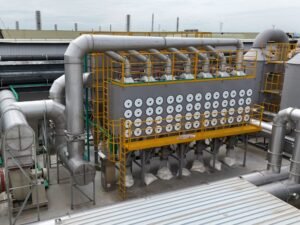
| Cartridge dust collector | Filter cartridge quantity, filter media, compact housing, pulse cleaning, dust bin or hopper, fan, control cabinet, and maintenance access. | Fine dry dust, welding fume, grinding dust, powder coating dust, compact indoor systems, and medium airflow applications. |
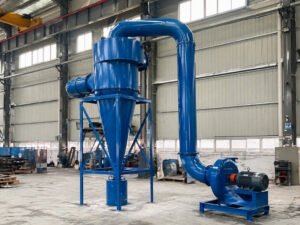
| Cyclone dust collector | Cyclone body size, inlet design, fan, dust discharge, wear protection, and whether it works alone or before a final filter collector. | Coarse dust, heavier particles, pre-separation, material recovery, and reducing downstream filter load. |
| Portable dust collector | Airflow capacity, cartridge filter, suction arm or hose, mobility design, fan, control system, and dust container. | Local dust capture, single workstations, flexible welding or grinding points, and smaller industrial dust sources. |
When comparing baghouse dust collector cost factors and cartridge dust collector cost factors, the question is not which type is always cheaper. The real question is which type will handle the dust source more reliably over time.
For buyers still comparing equipment types, the related guide baghouse vs cartridge dust collector can support the selection discussion.
Airflow, Collection Points, and System Size
Airflow is often one of the biggest cost drivers in a dust collection system. Higher airflow may require:
- Larger filter area
- Larger collector housing
- Larger fan motor
- Larger duct diameter
- More compressed air for pulse cleaning
- Stronger structure and support
- More space for installation and maintenance
However, higher airflow is not always better. Oversized airflow can increase equipment cost, energy consumption, noise, duct wear, and filter load. Undersized airflow can allow dust to escape from the capture point.
For multi-point systems, the total airflow depends on how many dust collection points operate at the same time. A plant with six dust sources does not always need all six points at full airflow if the machines do not run together. This should be reviewed during system design.
If airflow is not confirmed, buyers can start with the number of dust points, hood size, duct connection size, dust source photos, and workshop layout. The guide calculate airflow for a dust collection system can help with early estimation before quotation.
Dust Type, Dust Load, Temperature, and Moisture
Dust properties strongly affect industrial dust collector cost because they influence filtration design, cleaning method, filter media, dust discharge, and safety review.
| Working Condition | Possible Cost Impact |
|---|---|
| Fine dust | May require higher-efficiency filtration, larger filter area, or special filter media. |
| Heavy dust load | May require a baghouse, larger hopper, stronger pulse cleaning, rotary valve, or cyclone pre-separation. |
| Abrasive dust | May require thicker material, wear-resistant ducting, or pre-separation. |
| Sticky or moist dust | May cause filter plugging and may require special review before selecting standard filters. |
| High temperature | May require high-temperature filter media, insulation, cooling, or material changes. |
| Combustible or spark risk | May require project-specific safety review after dust properties and process conditions are confirmed. |
| Corrosive gas or chemical dust | May require material or coating changes after reviewing the exact process conditions. |
For example, cement dust collection projects often involve high dust load, abrasive mineral dust, large airflow, and continuous operation. Welding fume extraction systems usually involve fine fume capture and local extraction. Powder coating dust collection systems may require careful filter area and powder handling review. Bulk powder material handling dust collection may involve transfer points, silos, bag dumping, and loading areas that change the capture and duct design.
Filter Area, Cleaning Method, and Maintenance Requirements
The filtration part of the dust collector is not only about initial price. It also affects pressure drop, filter life, maintenance frequency, and long-term operating cost.
Key filtration cost factors include:
- Total filter area
- Filter bag or cartridge quantity
- Filter media selection
- Pulse jet cleaning design
- Compressed air requirement
- Dust load on the filter surface
- Access space for filter replacement
- Expected operating hours
If the filter area is too small, the system may have high pressure drop and frequent filter cleaning. If the filter media is not suitable for the dust type, filters may clog, wear, or fail early.
For many projects, total cost of ownership is more important than the lowest equipment price. A suitable design should balance initial equipment cost, energy use, filter replacement, maintenance time, and stable dust capture.
Fan, Ductwork, Hopper, Discharge, and Control Configuration
The dust collector body is only one part of the full system cost. Many industrial projects also need supporting components.
Common system components include:
| Component | Why It Affects Cost |
|---|---|
| Fan and motor | Fan size depends on airflow and system resistance. Motor power affects energy use. |
| Ductwork | Long duct routes, branch ducts, elbows, and larger diameters increase material and design requirements. |
| Hopper | Hopper size and angle affect dust storage and discharge. |
| Rotary valve or screw conveyor | Needed when collected dust must discharge continuously or into a closed process. |
| Control cabinet | Controls fan, pulse cleaning, valves, sensors, and system operation. |
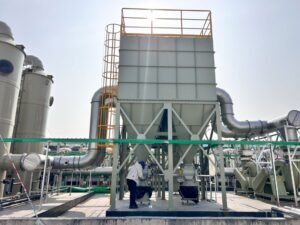
| Platforms and ladders | May be needed for filter maintenance on larger outdoor systems. |
| Explosion vents or safety devices | May be required for some dust risks after safety review. |
| Silencer or weather protection | May be needed for noise control or outdoor installation. |
This is why comparing only the collector body price can be misleading. A complete industrial dust collector system quotation may include collector body, filter elements, fan, ductwork, controls, discharge equipment, and project-specific accessories.
Material, Safety, and Special Working Conditions
Material and safety requirements can also change the dust collector price. Some projects can use standard carbon steel construction. Others may require thicker material, stainless steel contact parts, anti-corrosion coating, high-temperature filter media, insulation, or special safety review.
Special working conditions may include:
- Outdoor installation
- High-temperature gas
- Moist or sticky dust
- Abrasive particles
- Spark risk
- Combustible dust
- Corrosive dust or gas
- High humidity environment
- Limited installation space
- Strict emission or workshop air requirements
Novazure can discuss general dust collection design direction, but the final safety configuration, explosion protection approach, and project-specific requirements should be confirmed after reviewing the dust properties, process conditions, and destination requirements.
Application Examples That May Affect Cost
Different applications create different cost pressure points. These examples are only for buyer understanding, not fixed pricing.
| Application | Main Cost Factors |
|---|---|
| Cement and construction dust | Large airflow, abrasive dust, high dust load, duct wear, hopper discharge, and possible cyclone pre-separation. |
| Welding fume extraction systems | Number of welding stations, capture method, cartridge filtration, duct layout, spark control, and whether a portable or central system is used. |
| Powder coating dust collection | Fine powder filtration, cartridge filter area, booth capture, cleaning method, powder handling, and possible recovery-related questions. |
| Bulk powder handling | Transfer points, silo venting, bag dumping, loading/unloading points, dust load, duct layout, and continuous discharge. |
| Local workstation dust capture | Portable collector size, suction arm or hose, filter type, mobility, and working hours. |
These examples show why a dust collector quotation should start from the process. Even within the same industry, cost can change if the dust source, airflow, or system layout is different.
What Information to Prepare Before Requesting a Quotation
To help Novazure recommend a suitable system and prepare a more accurate dust collector quotation, buyers should provide as much of the following information as possible:
| Information Needed | Why It Helps |
|---|---|
| Dust source | Shows where the dust is generated and how it should be captured. |
| Dust type and material | Helps select collector type, filter media, and dust discharge method. |
| Dust concentration or dust load | Helps confirm filter area, cleaning method, and whether pre-separation is needed. |
| Required airflow | Helps size the collector, fan, filters, and ductwork. |
| Number of collection points | Affects total airflow and duct layout. |
| Temperature and moisture | Affects filter media and equipment material selection. |
| Working hours | Helps review cleaning method, maintenance needs, and long-term reliability. |
| Site layout or photos | Helps check duct route, installation space, and maintenance access. |
| Discharge requirement | Helps decide dust bin, hopper, rotary valve, or conveyor configuration. |
| Safety requirements | Helps identify whether spark, explosion, or special protection review is needed. |
| Destination country | Helps review packing, export documentation, and project communication needs. |
If exact airflow is not available, buyers can still send the dust source, machine photos, hood size, number of points, and process layout. Novazure can make an initial review and identify which technical details should be confirmed before final quotation.
How Novazure Reviews a Dust Collector Project
As an industrial dust collector manufacturer and engineering supplier, Novazure reviews a project from working conditions first, then equipment configuration.
The typical review process is:
- Confirm the dust source and process.
- Estimate airflow or review the buyer’s airflow data.
- Check dust type, dust load, temperature, moisture, and special risks.
- Recommend a suitable collector type.
- Review fan, ductwork, hopper, discharge, controls, and optional components.
- Prepare an initial equipment recommendation and quotation.
- List open technical items for follow-up before final design.
This process helps avoid two common problems: choosing a collector that is too small for the dust load, or paying for a system that is larger or more complex than the project needs.
FAQs
Why is there no fixed price for an industrial dust collector?
There is no reliable fixed price because industrial dust collector cost depends on airflow, dust type, dust concentration, collector type, filter area, fan, ductwork, controls, discharge method, safety requirements, and installation conditions. A quotation should be based on real working conditions.
Is a baghouse dust collector more expensive than a cartridge dust collector?
Not always. A baghouse system may cost more when it is designed for large airflow, heavy dust load, high temperature, or continuous operation. A cartridge collector may be more practical for fine dry dust, compact installation, welding fume, grinding dust, or powder coating. The right comparison depends on the project conditions, not only the collector name.
Does higher airflow always mean higher cost?
Higher airflow often increases cost because it can require a larger collector, larger fan, more filter area, and larger ductwork. However, the airflow should not be oversized without reason. Correct airflow should be based on the dust source, hood design, duct layout, and number of active collection points.
What information is needed for an accurate dust collector quotation?
Useful quotation information includes dust source, dust type, airflow requirement, number of collection points, dust concentration, temperature, moisture, working hours, site layout, discharge method, safety requirements, and destination country. If some data is not confirmed, send the available process details for initial review.
Can Novazure recommend a collector if airflow is not confirmed yet?
Yes, Novazure can make an initial recommendation if the buyer provides dust source details, number of collection points, hood or machine connection size, dust type, working hours, and layout photos or drawings. Final airflow and system configuration may still need confirmation before quotation.
Conclusion
Industrial dust collector cost is mainly determined by working conditions and system configuration. Airflow, dust type, dust load, collector type, filter area, fan, ductwork, material, safety review, and project requirements can all change the final quotation.
For B2B buyers, the most practical approach is not to search for a fixed dust collector price first. It is better to prepare the main working-condition details, compare the suitable collector type, and ask for an engineering-based quotation.
Request a Dust Collector Quotation
To request a dust collector quotation, send Novazure your dust type, dust source, required airflow or number of collection points, temperature, working hours, site layout, discharge requirement, safety notes, and destination country. Our team can review your working conditions and recommend a suitable industrial dust collection system for your project.