
Corrosion-Resistant Baghouse Dust Collector
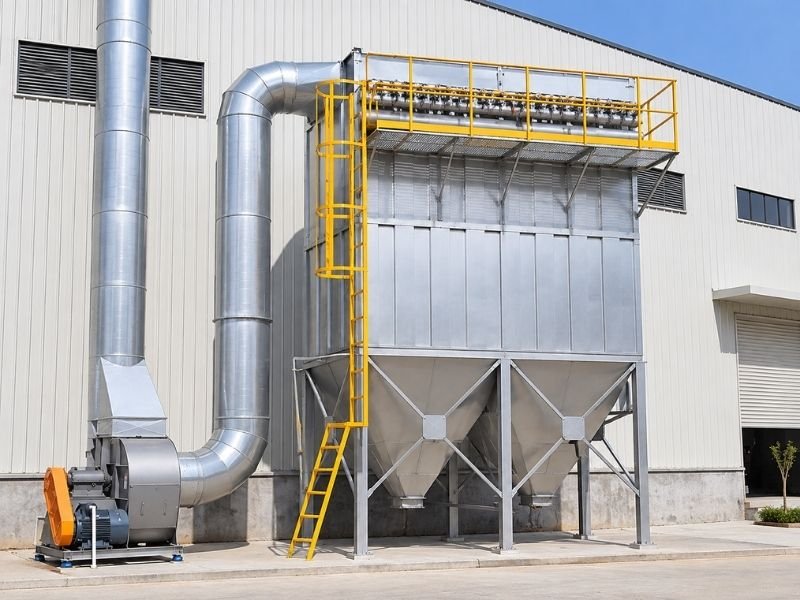
Corrosion-Resistant Dust Collection for Demanding Processes
Corrosion-resistant baghouse dust collectors are designed for industrial processes involving corrosive gases, chemical dust, or challenging moisture and temperature conditions. Material selection is based on the process environment and operating requirements.
Novazure offers tailored configurations using suitable housing materials, protective coatings or linings, compatible filter media, and corrosion-resistant sealing components. From stainless steel construction to targeted internal coating solutions, each system can be designed to balance corrosion protection, operating requirements, and project cost.
When Is Corrosion-Resistant Design Needed?
Industrial dust collection equipment may require corrosion-resistant design when exposed to corrosive gases, chemically aggressive dust, or operating conditions that promote corrosion and condensation.
Novazure selects suitable construction materials, protective coatings, and filtration components according to process chemistry, operating temperature, moisture conditions, and project cost requirements.
Corrosive Gases & Dust
For processes involving acidic, fluoride-containing, chloride-containing, or other chemically aggressive gases and dusts.
High-Temperature Corrosive Gas
When elevated temperatures combine with corrosive compounds, housing materials and protective coatings must suit the actual operating conditions.
Moisture & Condensation
For humid processes or temperature changes that can cause condensation, corrosive deposits, or liquid accumulation on internal surfaces.
Corrosion & Maintenance Costs
Targeted material and coating choices can help reduce corrosion-related repairs, component replacement, and unplanned equipment downtime.
Materials and Components for Corrosive Dust Collection
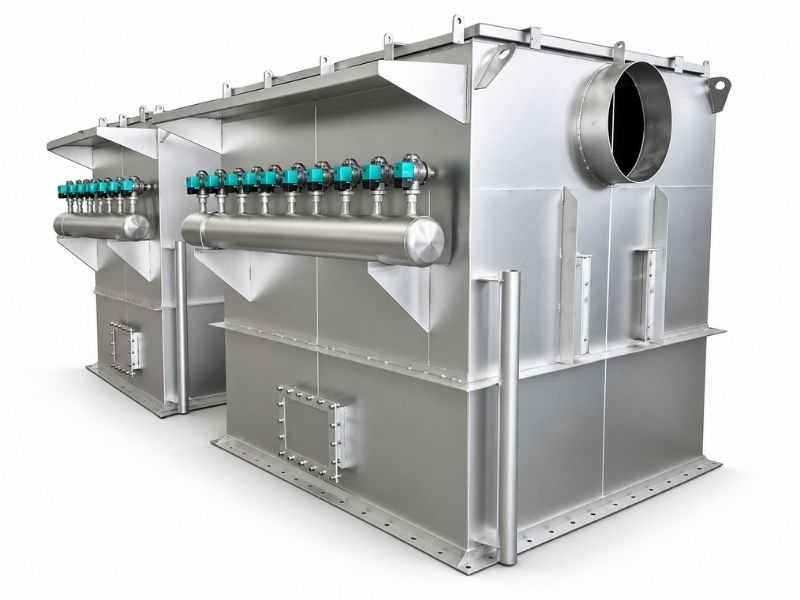
Corrosion-Resistant Housing Materials
Select suitable stainless steel grades or other compatible construction materials according to gas chemistry, operating temperature, moisture, and expected corrosion exposure.
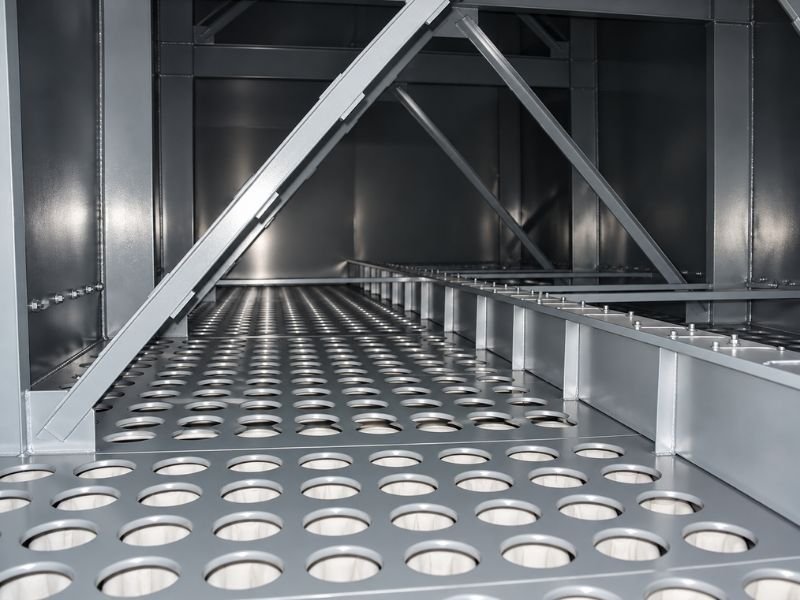
Internal Protective Coatings & Linings
Apply suitable coatings or linings to gas-contact surfaces where targeted protection can meet process requirements without requiring full stainless steel construction throughout the equipment.
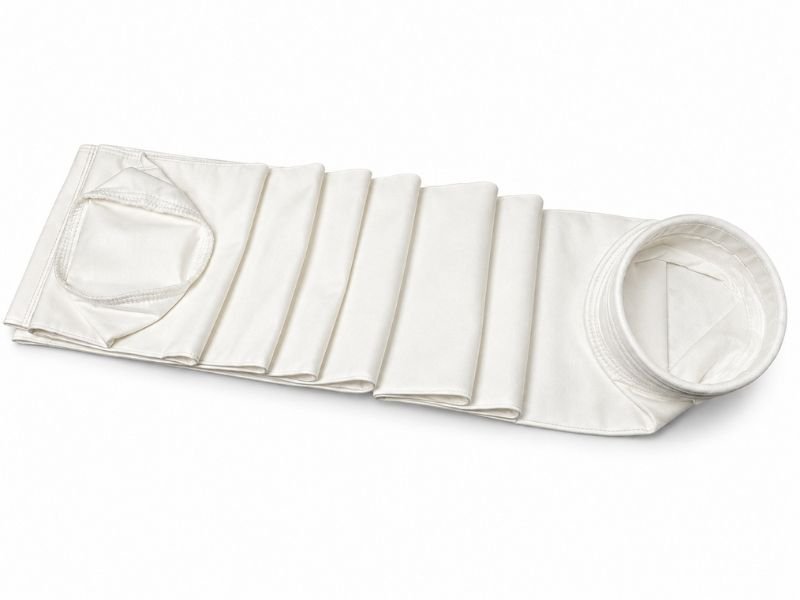
Corrosion-Compatible Filter Media
Choose filter media and finishes compatible with the dust composition, gas chemistry, operating temperature, and moisture conditions to support reliable filtration performance.
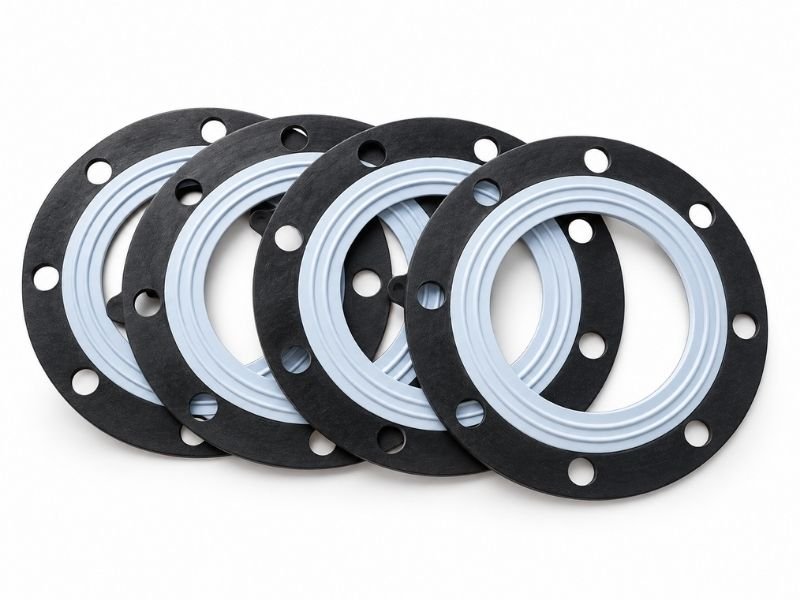
Corrosion-Resistant Seals & Gaskets
Specify compatible gasket and sealing materials for corrosive gases, temperature changes, and potential condensate at equipment joints, inspection doors, and connection interfaces.
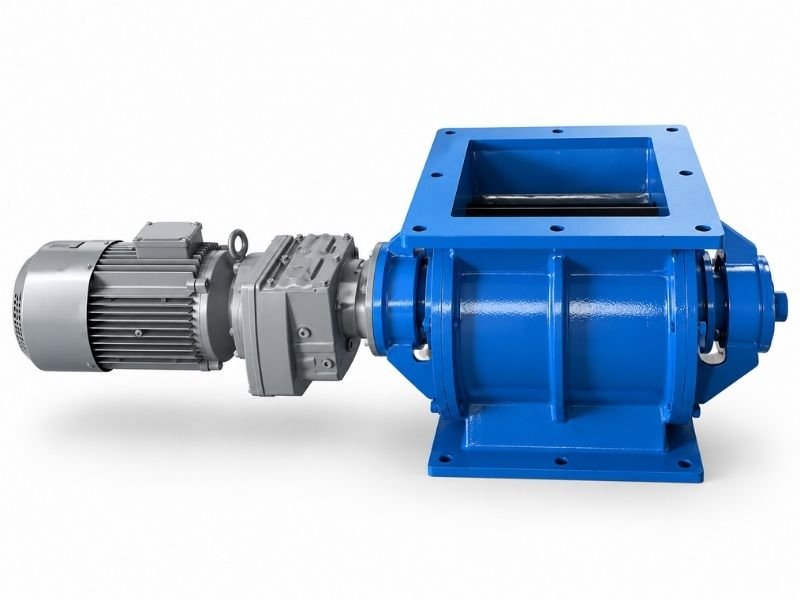
Corrosion-Resistant Dust Discharge
Hoppers, rotary valves, and screw conveyors may contact corrosive dust or condensate. Compatible materials and protective treatments help maintain reliable dust handling and discharge.
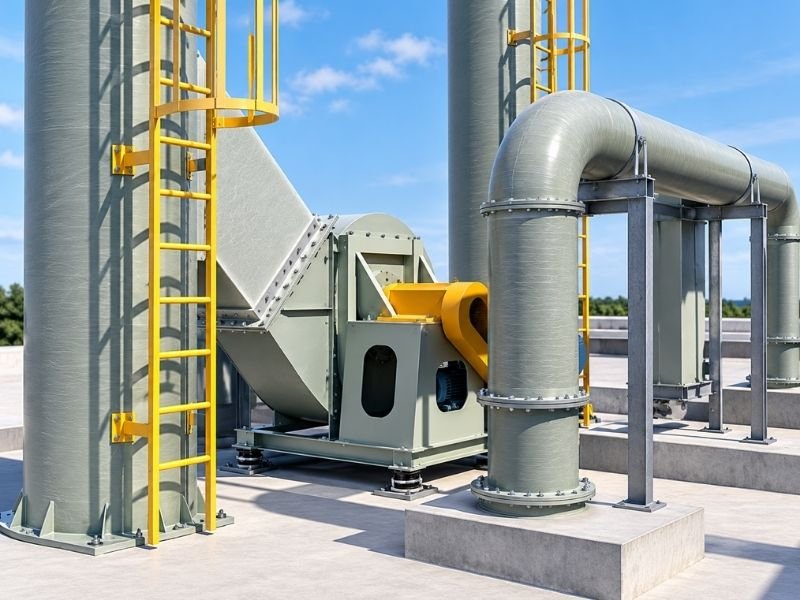
Corrosion-Resistant Ductwork & Fans
Ducts, fan casings, and impellers can be exposed to the same corrosive gas stream. Material selection and surface protection should account for the full gas-handling path, including condensation risks.
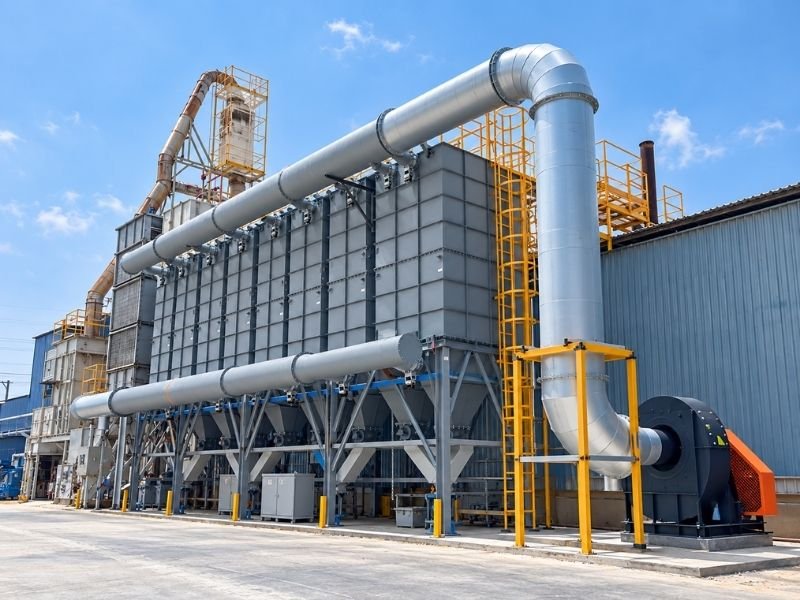
Spain Project: Corrosion Protection at 180°C
A corrosion-resistant baghouse designed for fluoride-containing process gas at approximately 180°C. The customer required reliable corrosion protection while keeping equipment costs practical.
Engineering Approach
Instead of full stainless steel construction, a high-temperature corrosion-resistant coating was applied to internal surfaces exposed to the process gas. This targeted solution balanced corrosion protection with project cost.
Corrosion-Resistant Baghouse Specifications & Configurations
| Parameter | NZ-BDC-050 5,000 m³/h | NZ-BDC-075 7,500 m³/h | NZ-BDC-100 10,000 m³/h | NZ-BDC-150 15,000 m³/h | NZ-BDC-200 20,000 m³/h | NZ-BDC-250 25,000 m³/h | NZ-BDC-300 30,000 m³/h |
|---|---|---|---|---|---|---|---|
| Airflow (m³/h) | 5,000 | 7,500 | 10,000 | 15,000 | 20,000 | 25,000 | 30,000 |
| Filter Area (m²) | 101 | 143.3 | 202 | 286.6 | 396.8 | 485 | 587.8 |
| Number of Filter Bags | 99 | 117 | 198 | 234 | 324 | 297 | 360 |
| Filter Bag Size (mm) | Ø130 × 2500 | Ø130 × 3000 | Ø130 × 2500 | Ø130 × 3000 | Ø130 × 3000 | Ø130 × 4000 | Ø130 × 4000 |
| Air-to-Cloth Ratio (m/min) | 0.825 | 0.87 | 0.825 | 0.87 | 0.84 | 0.86 | 0.85 |
| Number of Compartments | 1 | 1 | 2 | 2 | 3 | 3 | 4 |
| Pulse Valves (Qty) | 11 | 13 | 22 | 26 | 36 | 33 | 40 |
| Cleaning Method | Pulse-Jet | Pulse-Jet | Pulse-Jet | Pulse-Jet | Pulse-Jet | Pulse-Jet | Pulse-Jet |
| Operating Temperature | Project-Specific | Project-Specific | Project-Specific | Project-Specific | Project-Specific | Project-Specific | Project-Specific |
| Filter Bag Material | PPS / PTFE / P84 | PPS / PTFE / P84 | PPS / PTFE / P84 | PPS / PTFE / P84 | PPS / PTFE / P84 | PPS / PTFE / P84 | PPS / PTFE / P84 |
| Dust Discharge | Manual / Automatic | Manual / Automatic | Manual / Automatic | Manual / Automatic | Manual / Automatic | Manual / Automatic | Manual / Automatic |
| Inlet Diameter (mm) | Ø300 | Ø350 | Ø400 | Ø500 | Ø600 | Ø650 | Ø700 |
| Outlet Diameter (mm) | Ø300 | Ø350 | Ø400 | Ø500 | Ø600 | Ø650 | Ø700 |
| Housing Material | Coated Q235 / SS304 / SS316L | Coated Q235 / SS304 / SS316L | Coated Q235 / SS304 / SS316L | Coated Q235 / SS304 / SS316L | Coated Q235 / SS304 / SS316L | Coated Q235 / SS304 / SS316L | Coated Q235 / SS304 / SS316L |
| Anti-Corrosion Treatment | Internal Coating / Lining | Internal Coating / Lining | Internal Coating / Lining | Internal Coating / Lining | Internal Coating / Lining | Internal Coating / Lining | Internal Coating / Lining |
| Seals & Gaskets | Process-Compatible | Process-Compatible | Process-Compatible | Process-Compatible | Process-Compatible | Process-Compatible | Process-Compatible |
| Ductwork & Fan | Project-Specific Protection | Project-Specific Protection | Project-Specific Protection | Project-Specific Protection | Project-Specific Protection | Project-Specific Protection | Project-Specific Protection |
| Emission Requirements | Per Project Standard | Per Project Standard | Per Project Standard | Per Project Standard | Per Project Standard | Per Project Standard | Per Project Standard |
| Dimensions (L × W × H, mm) | 2300 × 1900 × 5800 | 2650 × 1900 × 6700 | 4600 × 1900 × 5800 | 5300 × 1900 × 6700 | 7500 × 1900 × 6600 | 6800 × 1900 × 7600 | 8000 × 1900 × 7200 |
Showing reference configuration for NZ-BDC-100
The specifications above are for reference only. Final parameters, materials, and dimensions are subject to the engineer's design drawings.
Need a Corrosion-Resistant Baghouse for Your Process?
Share your required airflow, gas composition, operating temperature, and moisture conditions. Our team can help configure a suitable baghouse with appropriate materials and corrosion protection.
Explore Corrosion-Resistant Baghouse Solutions for Your Process
Industries with Corrosive Dust & Process Gas Exposure
Explore IndustriesExplore industries where chemical dust, corrosive process gases, or moisture may require corrosion-resistant baghouse configurations.
-
Chemical Manufacturing
-
Mineral & Cement Processing
-
Metal Smelting & Refining
-
Battery Materials Manufacturing
-
Waste-to-Energy & Incineration
-
Pulp & Paper Processing
-
Fertilizer Manufacturing
-
Specialty Chemicals & Pigments
-
Pharmaceutical Ingredient Production
Corrosive Dust Collection Applications
Explore ApplicationsExplore processes where chemical dust or corrosive gas streams can affect filter housings, internal components, and connected equipment.
-
Corrosive Powder Transfer & Conveying
-
Fertilizer & Mineral Processing
-
Chemical Grinding & Milling
-
Chemical Mixing & Batching
-
Dust Extraction at Transfer Points
-
High-Temperature Process Exhaust Filtration
Corrosive Dust Types & Materials
Explore Dust TypesDust composition, moisture absorption, and associated process gases influence filtration materials and corrosion-resistant design.
-
Fertilizer & Salt Dust
-
Hygroscopic Chemical Powders
-
Chloride-Containing Particulates
-
Fluoride-Containing Particulates
-
Metal Oxide & Smelting Dust
-
Sulfur-Containing Particulates
-
Chemical & Catalyst Powders
-
Pharmaceutical Ingredient Powders
-
Acidic & Alkaline Chemical Dust
Operating Conditions
Explore ConditionsGas composition, temperature, humidity, condensation, and deposits affect material selection and protective treatment throughout the system.
-
High-Temperature Corrosive Gas Streams
-
High Dust Loading & Deposits
-
Chemical Compatibility Requirements
-
Condensation & Acid Dew Point
-
High-Humidity Process Exhaust
-
Corrosive Ductwork & Fan Exposure
Corrosion-resistant materials and protective treatments are selected according to process chemistry, temperature, moisture, and actual exposure conditions.
Related Dust Collection Products
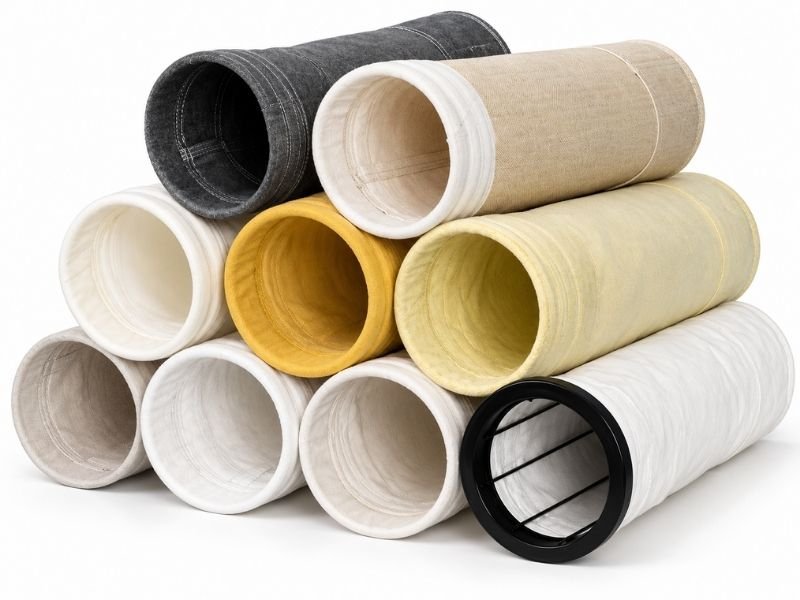
PTFE Filter Bags for Dust Collection
PTFE filter bags provide chemical resistance for selected corrosive dust collection applications, with material compatibility evaluated against actual process conditions.
Explore Product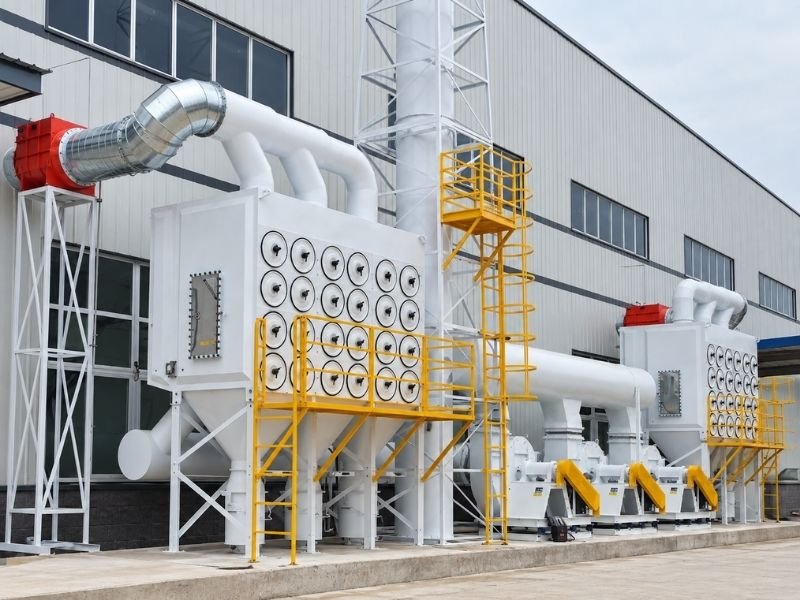
Cartridge Dust Collector
Cartridge filtration systems for suitable dry fine-dust processes, with filter media and housing materials selected according to dust chemistry and operating conditions.
Explore Product
Cyclone Dust Collector
Cyclone separators for coarse dust and high particle loads, with suitable construction materials or protective coatings when handling corrosive process dust.
Explore Product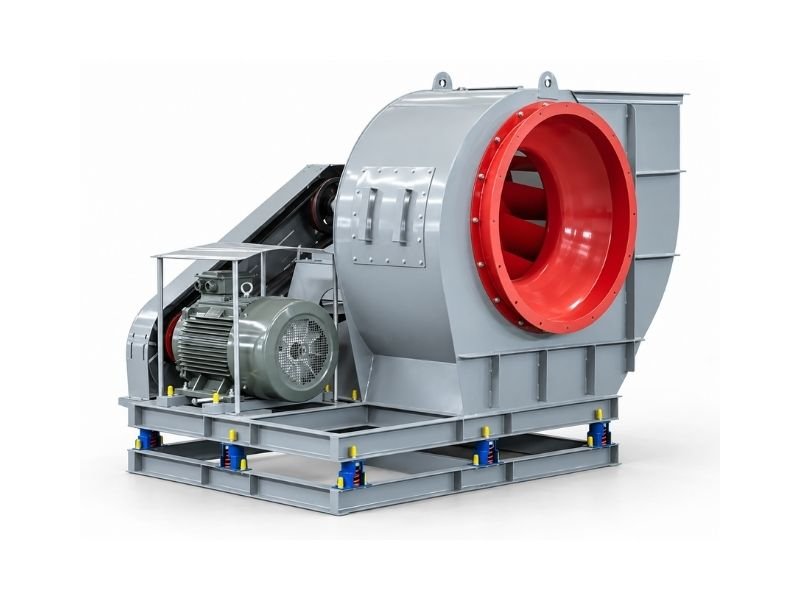
Industrial Dust Collector Fans
Centrifugal fans for industrial dust collection systems, with suitable casing and impeller protection where the gas stream or condensate presents corrosion risks.
Explore ProductCorrosion-Resistant Baghouse Dust Collector FAQs
What Is a Corrosion-Resistant Baghouse Dust Collector?
A corrosion-resistant baghouse is an industrial dust collector designed with materials and protective treatments selected for chemically aggressive dust, process gases, moisture, or condensate. It uses fabric filter bags to capture airborne particulate matter while protecting vulnerable equipment surfaces.
Depending on the application, the system may use stainless steel, internally coated carbon steel, compatible filter media, and corrosion-resistant sealing or dust discharge components.
When Is Corrosion-Resistant Baghouse Design Needed?
Corrosion protection should be evaluated when dust or process gases contain chemically aggressive compounds, or when humidity and temperature changes may cause corrosive deposits or condensation. These conditions can occur in chemical manufacturing, fertilizer production, metal processing, and certain high-temperature processes.
The actual need depends on the chemical composition, moisture, operating temperature, and which equipment surfaces contact the process stream.
Does the Entire Baghouse Need to Be Made of Stainless Steel?
Not necessarily. Stainless steel may be suitable for some processes, but full stainless steel construction is not always the most economical or technically appropriate choice.
For a project in Spain involving fluoride-containing process gas at approximately 180°C, we used a high-temperature corrosion-resistant coating on internal gas-contact surfaces instead of specifying stainless steel throughout the entire collector. Material and coating selection must still match the actual service conditions.
Which Housing Materials and Protective Coatings Are Available?
Options can include protected carbon steel, SS304, SS316L, and project-specific internal coatings or linings. Protective treatments can be applied to exposed internal surfaces where technically suitable.
We evaluate chemical compatibility, operating temperature, potential condensation, and maintenance access before selecting a material or coating system. No single option is suitable for every corrosive process.
Can a Corrosion-Resistant Baghouse Operate at 180°C?
Yes, an appropriately engineered system can be designed for high-temperature applications. One of our Spanish projects involved process gas at approximately 180°C and used a high-temperature corrosion-resistant internal coating.
That project temperature is not a universal operating limit. The housing, coating, filter bags, seals, and other exposed components must each be selected for the specific gas composition, temperature, and moisture conditions.
Which Filter Bag Materials Are Suitable for Corrosive Dust?
PTFE, PPS, P84, and other filter media may be considered depending on the process. Selection depends on chemical compatibility, continuous operating temperature, moisture, particle properties, and filtration requirements.
A PTFE membrane finish and a filter bag made primarily from PTFE are different constructions, so the filter media specification should be confirmed for each application.
Which Other Components Need Corrosion Protection?
Besides the baghouse housing, exposed hoppers, rotary airlock valves, screw conveyors, seals, ductwork, and fan components may require compatible materials or protective treatments.
Protection is chosen according to where corrosive dust, gas, or condensate can actually contact the equipment. The goal is a practical system-wide design rather than applying expensive materials to every component unnecessarily.
What Information Is Needed for a Custom Design and Quotation?
Please share the required airflow, dust type and concentration, gas composition, operating temperature, humidity or dew-point information, emission target, and available installation space. Site photographs, process diagrams, and information about connected fans and ductwork are also helpful.
With these details, we can evaluate suitable housing materials, coating systems, filter media, and related components for your application. Note that a baghouse captures particulate matter; removing corrosive gases themselves may require additional gas-treatment equipment.
Let's Discuss Your Dust Collection Needs
Whether you need a complete dust collection system, compact equipment, or replacement filters, share your requirements with us. We'll help you evaluate a suitable solution.