
Explosion-Proof Baghouse Dust Collector
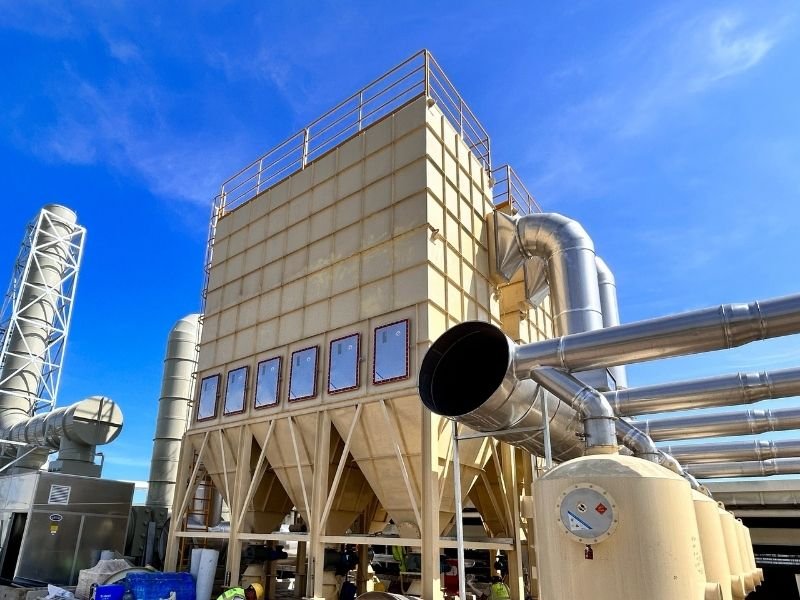
Explosion-Proof Baghouse Dust Collector
Novazure supplies custom baghouse dust collectors for industrial processes involving combustible dust. Systems can integrate explosion venting, flameless venting, anti-static filter bags, explosion isolation, and spark protection as required.
Each system is configured around your airflow, dust characteristics, operating conditions, and project standards. We coordinate suitable equipment and qualified suppliers to meet your specified protection and documentation requirements.
A Systematic Approach to Explosion Protection
Combustible dust protection involves more than selecting a collector or adding an explosion vent. Dust properties, process conditions, potential ignition sources, installation layout, and connected equipment all influence the protection strategy.
Novazure coordinates baghouse systems and suitable protection components around project-specific hazard assessments and applicable requirements. Each configuration is tailored to the actual application rather than relying on a one-size-fits-all solution.
Assess Dust Hazards
Review dust explosibility data, airflow, temperature, process conditions, and installation layout.
Control Ignition Sources
Evaluate static electricity, grounding, sparks, and suitable electrical equipment.
Manage Explosion Effects
Evaluate suitable explosion venting, flameless venting, or suppression based on the equipment and location.
Limit Explosion Propagation
Assess isolation measures for connected ducts, dust discharge equipment, and process systems.
Complete Protection Options for Your Baghouse System

Explosion Venting & Suppression
Explosion venting releases combustion pressure through a designated relief path, while suppression systems detect and respond to an explosion to control its development. Suitable solutions are selected according to the collector design, dust properties, and site conditions.
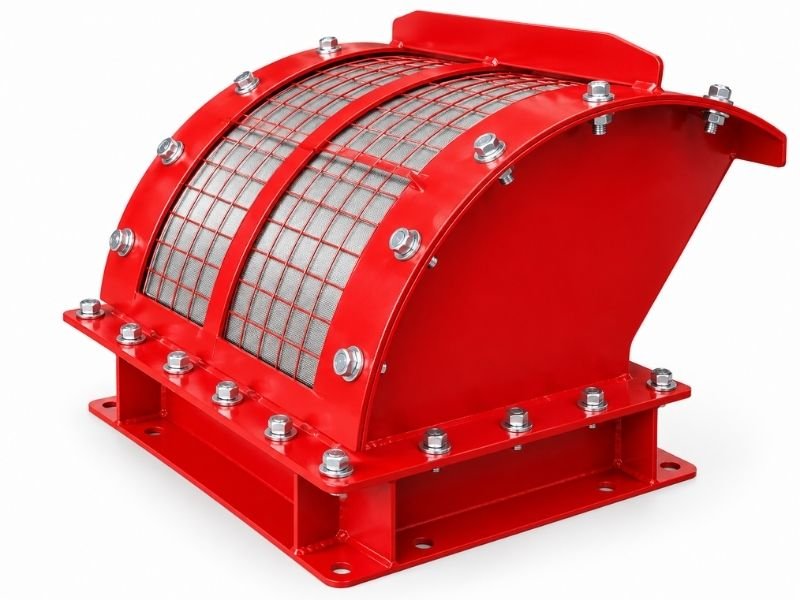
Flameless Explosion Venting
Designed for compatible applications where conventional outdoor venting is difficult, flameless venting devices help reduce external flame discharge by treating flame and combustion products through a dedicated venting unit.
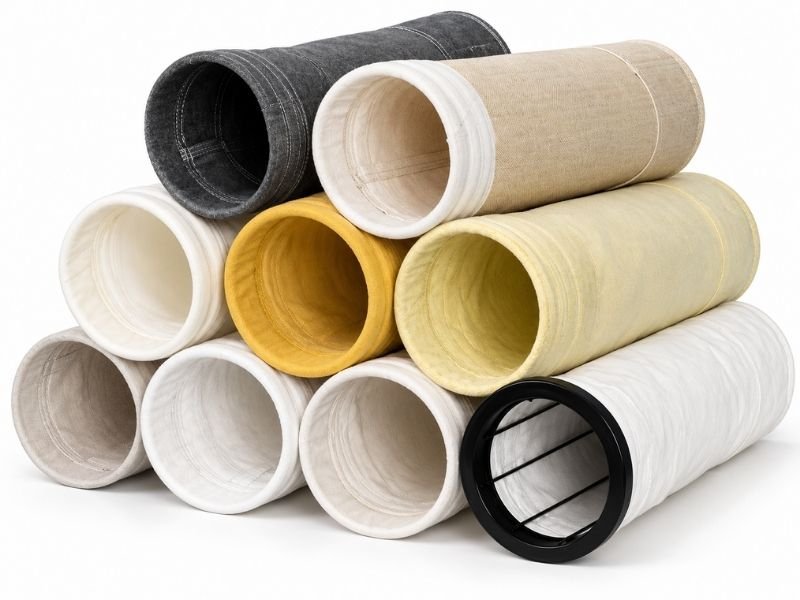
Anti-Static Filter Bags & Grounding
Conductive or anti-static filter media can be selected according to dust characteristics and operating conditions, together with appropriate grounding and bonding measures to help manage static charge accumulation.
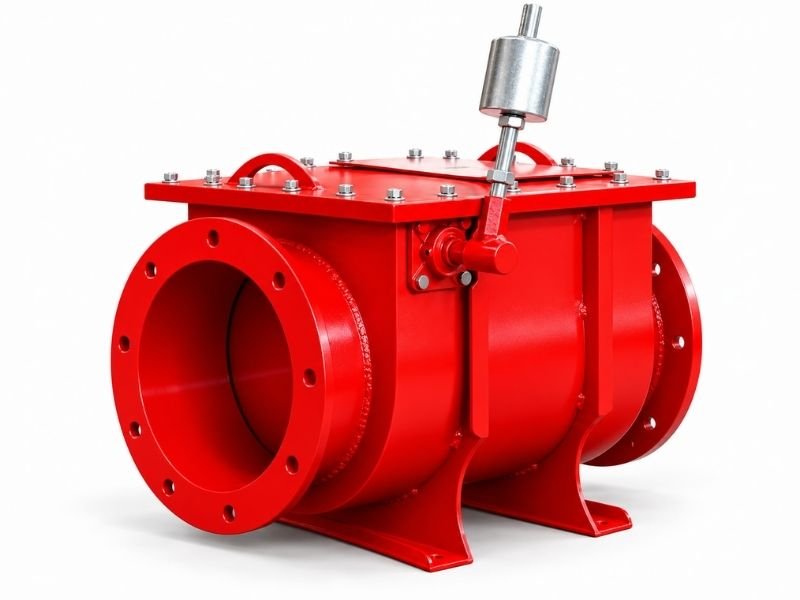
Explosion Isolation
Suitable isolation devices can be integrated into connecting ducts and process interfaces to help limit flame and pressure propagation between the dust collector and connected equipment.
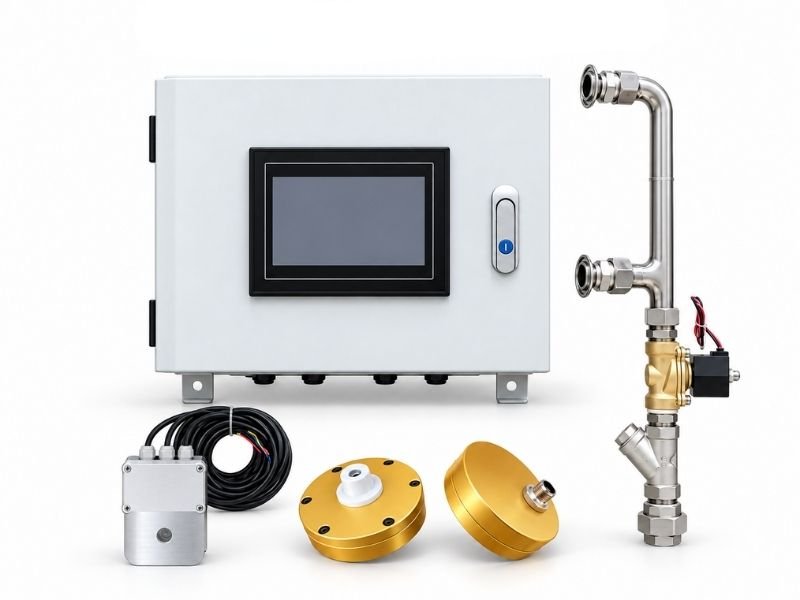
Spark Detection & Protection
For processes where sparks or hot particles may enter extraction ducts, spark detection, automatic extinguishing, or other suitable protection equipment can help reduce the risk of ignition in the dust collection system.
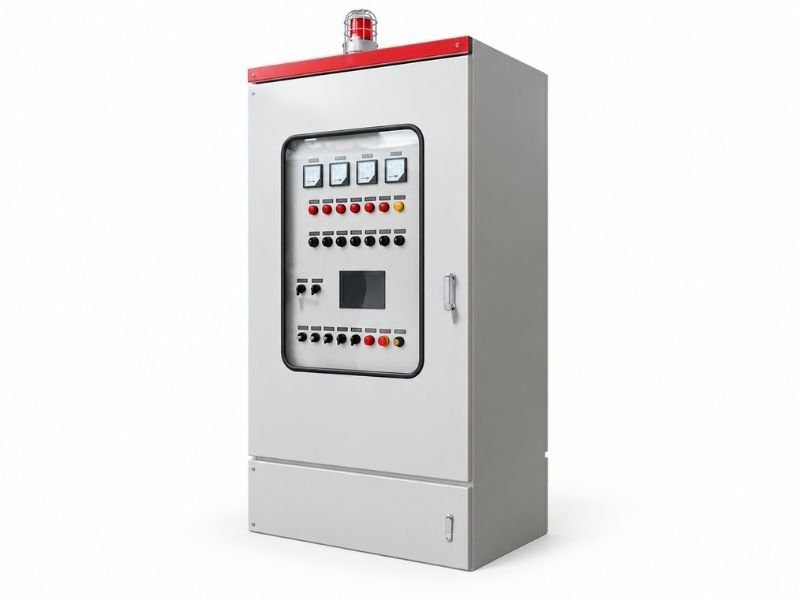
Hazardous-Area Electricals & Controls
We coordinate suitable motors, sensors, instruments, electrical components, and control equipment according to hazardous-area classifications and project requirements, including required monitoring and interlock functions.
Explosion Protection Standards for Global Projects
We coordinate explosion protection equipment and system configurations according to project requirements, applicable standards, and target-market regulations, with relevant certification documents and technical records available for review.
ATEX
Equipment options for applicable EU explosive-atmosphere requirements, including relevant conformity documentation.
NFPA
Combustible dust fire and explosion protection standards for equipment selection and system design.
IECEx
Certified equipment options for applicable explosive-atmosphere applications under the IECEx certification system.
UL / CSA
Equipment and electrical component options for applicable North American certification and project requirements.
Explosion-Proof Baghouse Specifications & Configurations
| Parameter | NZ-BDC-050 5,000 m³/h | NZ-BDC-075 7,500 m³/h | NZ-BDC-100 10,000 m³/h | NZ-BDC-150 15,000 m³/h | NZ-BDC-200 20,000 m³/h | NZ-BDC-250 25,000 m³/h | NZ-BDC-300 30,000 m³/h |
|---|---|---|---|---|---|---|---|
| Airflow (m³/h) | 5,000 | 7,500 | 10,000 | 15,000 | 20,000 | 25,000 | 30,000 |
| Filter Area (m²) | 101 | 143.3 | 202 | 286.6 | 396.8 | 485 | 587.8 |
| Number of Filter Bags | 99 | 117 | 198 | 234 | 324 | 297 | 360 |
| Filter Bag Size (mm) | Ø130 × 2500 | Ø130 × 3000 | Ø130 × 2500 | Ø130 × 3000 | Ø130 × 3000 | Ø130 × 4000 | Ø130 × 4000 |
| Air-to-Cloth Ratio (m/min) | 0.825 | 0.87 | 0.825 | 0.87 | 0.84 | 0.86 | 0.85 |
| Number of Compartments | 1 | 1 | 2 | 2 | 3 | 3 | 4 |
| Pulse Valves (Qty) | 11 | 13 | 22 | 26 | 36 | 33 | 40 |
| Cleaning Method | Pulse-Jet | Pulse-Jet | Pulse-Jet | Pulse-Jet | Pulse-Jet | Pulse-Jet | Pulse-Jet |
| Dust Discharge | Manual / Automatic | Manual / Automatic | Manual / Automatic | Manual / Automatic | Manual / Automatic | Manual / Automatic | Manual / Automatic |
| Inlet Diameter (mm) | Ø300 | Ø350 | Ø400 | Ø500 | Ø600 | Ø650 | Ø700 |
| Outlet Diameter (mm) | Ø300 | Ø350 | Ø400 | Ø500 | Ø600 | Ø650 | Ø700 |
| Body Material | Q235 | Q235 | Q235 | Q235 | Q235 | Q235 | Q235 |
| Explosion Protection Accessories | Standard | Standard | Standard | Standard | Standard | Standard | Standard |
| Dimensions (L × W × H, mm) | 2300 × 1900 × 5800 | 2650 × 1900 × 6700 | 4600 × 1900 × 5800 | 5300 × 1900 × 6700 | 7500 × 1900 × 6600 | 6800 × 1900 × 7600 | 8000 × 1900 × 7200 |
Showing reference configuration for NZ-BDC-100
The specifications shown are for reference only. Final parameters, dimensions, and explosion protection configurations are subject to the engineer's design drawings and project requirements.
Need an Explosion-Proof Baghouse for Your Process?
Share your required airflow, dust characteristics, and site conditions. We can help coordinate a suitable baghouse and explosion protection configuration for your project.
Find the Right Explosion-Proof Baghouse Solution for Your Process
Industries with Combustible Dust Risks
Explore IndustriesExplore industrial sectors where combustible dust may require an engineered baghouse and suitable explosion protection measures.
-
Grain & Flour Milling
-
Coal Mining & Processing
-
Metal Powder Processing
-
Plastics & Rubber Manufacturing
-
Power Generation & Coal Handling
-
Woodworking & Biomass
-
Food & Starch Processing
-
Chemical Manufacturing
-
Pharmaceutical Production
Dust-Generating Applications
Explore ApplicationsReview dust-generating processes where combustible dust collection and engineered explosion protection may be required.
-
Bulk Material Transfer & Conveying
-
Crushing & Screening
-
Grinding & Milling
-
Mixing & Batching
-
Conveyor Transfer Points
-
Drying & Thermal Processing
Combustible Dust Types & Materials
Explore Dust TypesMaterial combustibility, particle characteristics, and process conditions help determine filtration and explosion protection requirements.
-
Grain, Flour & Starch Dust
-
Sugar & Food Powders
-
Plastic & Polymer Powders
-
Coal & Charcoal Dust
-
Combustible Metal Powders
-
Wood & Biomass Dust
-
Carbon Black & Graphite Dust
-
Pharmaceutical Ingredient Powders
-
Chemical & Organic Powders
Operating Conditions
Explore ConditionsIgnition sources, static charge, dust loading, installation layout, and connected equipment influence explosion protection design.
-
High-Temperature Dust Streams
-
High Dust Loading
-
Electrostatic Charge Build-up
-
Spark or Hot-Particle Carryover
-
Combustible Dust Atmospheres
-
Interconnected Ductwork & Limited Venting Space
Explosion protection measures should be selected according to dust explosibility, process conditions, installation layout, and applicable project requirements.
Related Dust Collection Products
Anti-Static Filter Bags
Conductive and anti-static filter media for suitable combustible dust applications, supporting electrostatic control in baghouse filtration systems.
Explore Product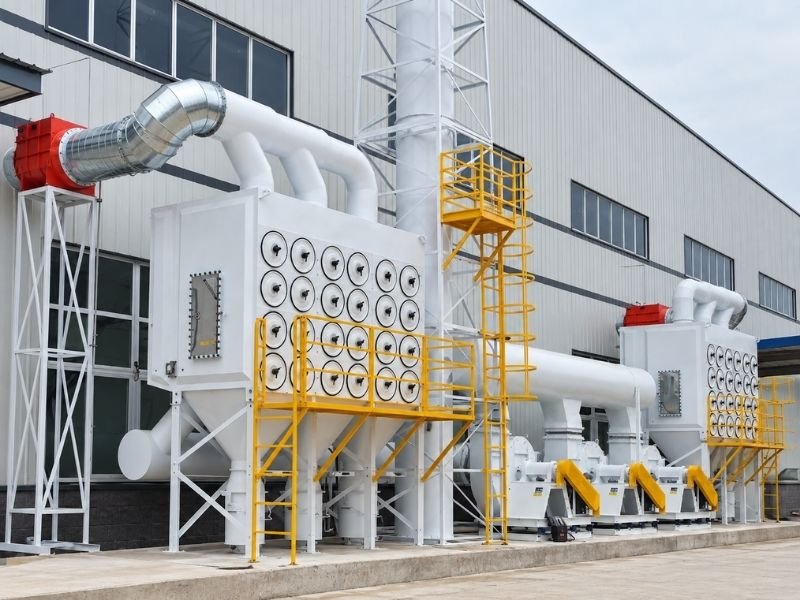
Cartridge Dust Collector
Industrial cartridge filtration systems for fine dust collection, with configurations tailored to airflow, dust characteristics, and process requirements.
Explore Product
Cyclone Dust Collector
Centrifugal separation for coarse particles and high dust loads, suitable for pre-separation or integration into a larger industrial dust collection system.
Explore Product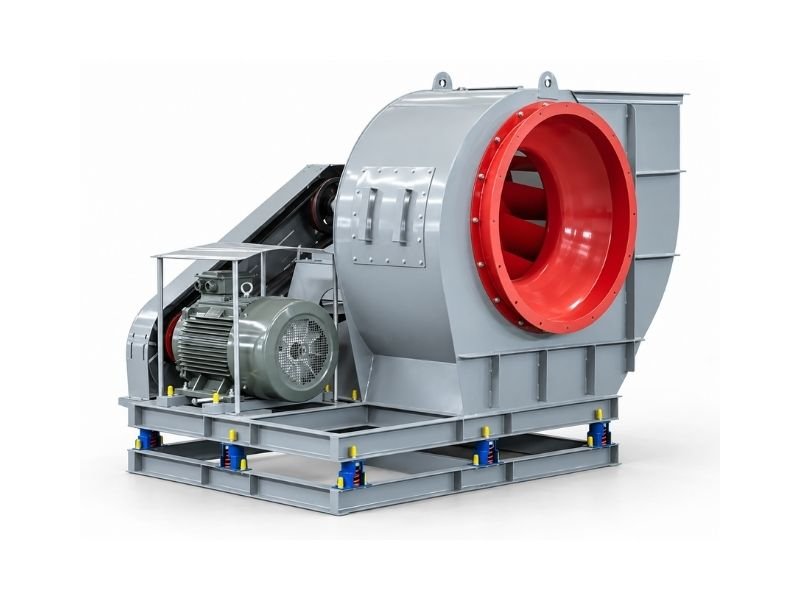
Industrial Dust Collector Fans
Industrial centrifugal fans selected according to required airflow, static pressure, duct resistance, and dust collection system requirements.
Explore ProductExplosion-Proof Baghouse Dust Collector FAQs
What Is an Explosion-Proof Baghouse Dust Collector?
An explosion-proof baghouse dust collector is an industrial filtration system configured to collect combustible dust while incorporating appropriate explosion protection measures. Depending on the application, the system may include explosion venting or flameless venting, explosion isolation, antistatic filter bags, grounding, and suitable electrical components.
The equipment is engineered around the dust's explosion characteristics, required airflow, process conditions, installation layout, and applicable project standards.
Which Explosion Protection Devices Can Be Integrated?
Novazure can configure explosion-protected baghouse systems with explosion vent panels, flameless venting devices, explosion isolation or suppression systems, spark detection and extinguishing equipment, antistatic filter bags, grounding and bonding, and suitable electrical components.
The final combination is selected according to the dust hazard assessment, equipment location, connected ductwork, process requirements, and applicable safety standards.
Can the System Meet ATEX or NFPA Requirements?
Yes. We can develop equipment configurations around applicable ATEX requirements for European projects and relevant NFPA standards for projects using US explosion protection practices. Suitable certified components and supporting technical documentation can be sourced according to the project scope.
ATEX and NFPA are different regulatory and standards frameworks. The applicable requirements depend on the destination market, equipment classification, dust hazard assessment, and project specifications. Required conformity documents and certification scope are confirmed during engineering.
What Is the Difference Between Explosion Venting and Flameless Venting?
Conventional explosion venting uses a specially designed vent panel to release explosion pressure from the protected enclosure into a designated safe outdoor area. The installation requires suitable vent discharge space and consideration of the venting direction and associated hazards.
Flameless venting combines an explosion vent with a flame-arresting device designed to reduce the discharge of flames into the surrounding area. It may be suitable for certain indoor installations where conventional outdoor venting is impractical. Selection depends on the equipment, dust properties, installation conditions, and the device's certified application limits.
Can Anti-Static Filter Bags and Grounding Systems Be Provided?
Yes. Antistatic or conductive filter media can be selected for suitable combustible-dust applications. The system can also incorporate grounding and bonding provisions for conductive equipment components to help control electrostatic charge accumulation.
Filter media selection and grounding arrangements depend on the dust characteristics, operating conditions, equipment construction, and applicable electrical and explosion protection requirements.
What Information Is Needed to Design an Explosion-Protected Baghouse?
To develop a suitable design, please provide the dust material, required airflow, dust concentration, operating temperature, moisture conditions, emission target, and available installation space. Site photographs, process diagrams, ductwork layouts, and details of connected equipment are also helpful.
For combustible dust applications, available explosion characteristics such as Kst, Pmax, minimum ignition energy (MIE), and minimum ignition temperature (MIT) help engineers determine the appropriate protection strategy. If these data are unavailable, we can discuss the information needed for the next stage of evaluation.
Can Explosion-Proof Baghouse Systems Be Customized for Different Industries?
Yes. Explosion-protected baghouse systems can be configured for applications in grain and flour processing, woodworking, biomass handling, plastics manufacturing, chemical processing, metal powder handling, and other industries involving combustible dust.
Customization can cover filtration capacity, filter media, cleaning controls, dust discharge equipment, fan and electrical systems, explosion protection devices, and equipment layout. The final configuration is determined by the actual process and dust hazard requirements.
What Technical Documents and Certification Records Are Available?
Depending on the project scope, the documentation package can include equipment datasheets, general arrangement drawings, technical specifications, operation and maintenance manuals, electrical documentation, and relevant component certificates, declarations of conformity, or test reports.
Where ATEX, NFPA-related, or other project-specific requirements apply, the documentation is coordinated with the selected equipment and qualified component suppliers. The available certificates and reports correspond to the actual equipment, component, and certification scope supplied for the project.
Let's Discuss Your Dust Collection Needs
Whether you need a complete dust collection system, compact equipment, or replacement filters, share your requirements with us. We'll help you evaluate a suitable solution.